
Why solar.
Solar is now the cheapest, cleanest way to power your home.
Why go solar.
Electricity prices are rising, and solar power is cheaper than buying from the grid — even if you finance it [1].
Thousands of Kiwis are already making the switch. Here's why:
Lower power bills – generate your own electricity and reduce what you buy from the grid.
Fast payback – most systems pay for themselves in 5–7 years.
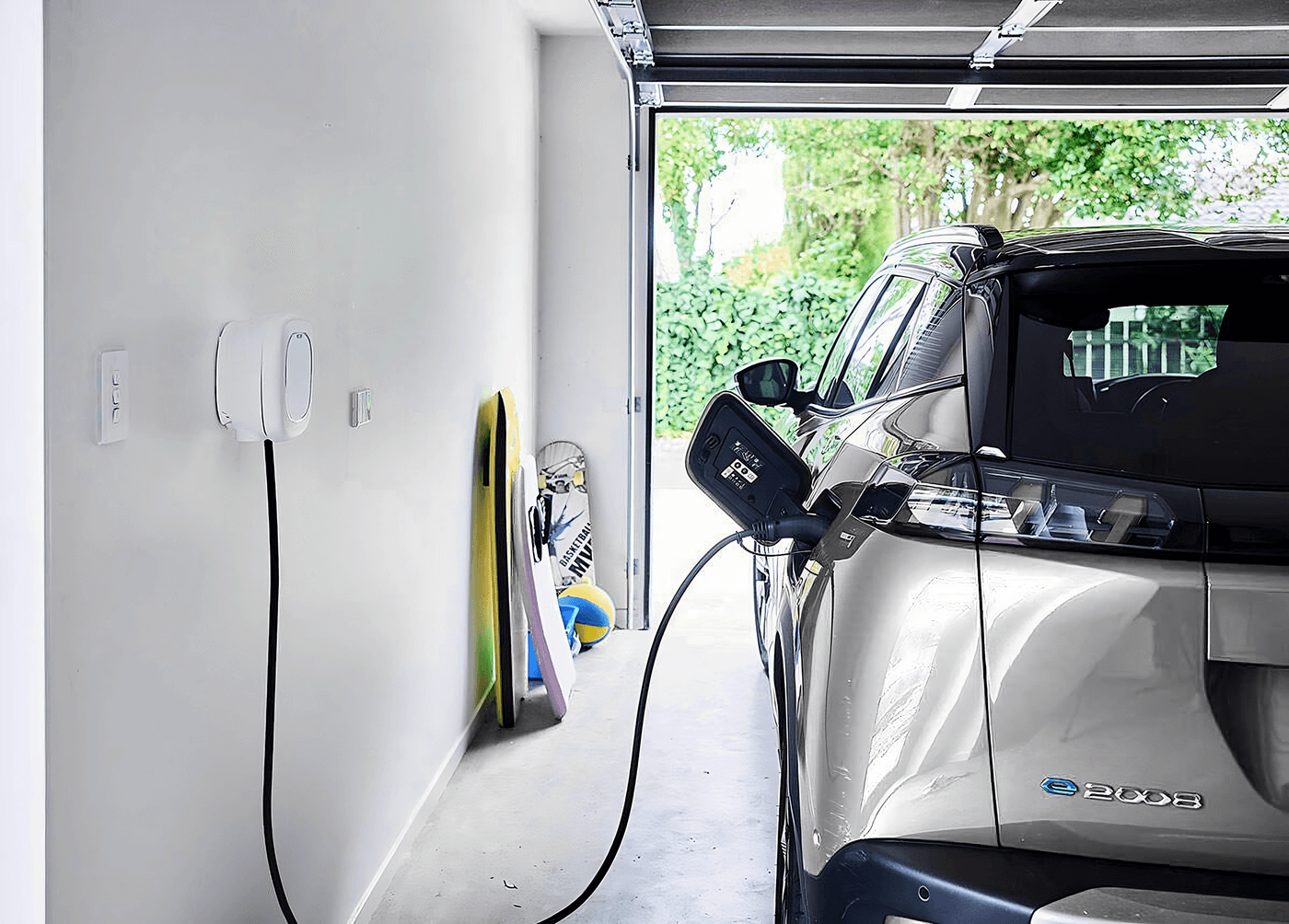
Cut your emissions – solar is zero-emissions power for your home, hot water, and EV.
Boost property value – homes with solar tend to sell faster and for more [2].
Help the grid – local solar eases grid demand and reduces costs.
[1] Rewiring Aotearoa. (n.d.). Rooftop Solar. Retrieved June 2025, from https://www.rewiring.nz/electrification-guides/solar
[2] Hoen, B., Adomatis, S., Jackson, T., Graff‑Zivin, J., Thayer, M. A., Klise, G. T., & Wiser, R. (2015, January). Selling into the sun: Price premium analysis of a multi‑state dataset of solar homes (LBNL‑6942E) [Technical report]. Lawrence Berkeley National Laboratory. https://emp.lbl.gov/publications/selling-sun-price-premium-analysis
Why now.
Power prices are only going one way — up.
Easier financing is reducing upfront costs
EV ownership is growing fast — and solar is the smartest way to charge
You’ll never save more than starting now
If your home’s suitable, there’s really no downside.
Maximising your solar.
Solar isn’t a one-off upgrade — it changes how you use energy. Here’s how to get the most from your system:
Monitor usage: The app shows when you generate and use power — it’s simple.
Shift habits: Run appliances during the day when solar is strongest. Use timers for hot water and EV charging.
Go electric: Switch gas appliances to electric to use more solar and improve air quality.
Pick the right retailer: We’ll help compare plans so your solar savings — and payback — go further.
-
In New Zealand, installed solar (without a battery) costs around $2,370/kW based on a large survey of solar providers completed by SEANZ in 2023. The price in 2025 is now slightly less than this. These costs can be a bit more for smaller systems and a bit less for larger systems.
-
No — most homes run solar successfully without a battery. If desired, you can install an inverter that is compatible with batteries and add one later.
-
Most systems pay for themselves in 5–7 years through reduced electricity bills, often faster if you use, or can shift to using, more power during the day. This is significantly less than the warranted lifetime of the panels (30 years) and inverter (10 years).
-
North-facing roofs are ideal, but thanks to better technology and lower costs, east, west, and even some flatter south-facing roofs can still work well.
East and West roofs do generate about 10% less energy over an entire year, but importantly generate more in the mornings and evenings, which can align better with your home’s demand peaks.
Shading, angle, and your power use all matter — we’ll assess all of this for you during your free consultation.
-
An overseas study [1] has shown that buyers are consistently willing to pay a premium (~$15,000) for homes with solar systems installed showing that buyers value the lower energy costs of a home with solar.
[1] Hoen, B., Adomatis, S., Jackson, T., Graff‑Zivin, J., Thayer, M. A., Klise, G. T., & Wiser, R. (2015, January). Selling into the sun: Price premium analysis of a multi‑state dataset of solar homes (LBNL‑6942E) [Technical report]. Lawrence Berkeley National Laboratory. https://emp.lbl.gov/publications/selling-sun-price-premium-analysis
-
We exist to increase the rate of solar adoption in Aotearoa New Zealand by addressing what we believe are some of the shortfalls in the solar industry by delivering expert advice, high quality systems, and a seamless customer experience.
There are so many benefits to having solar, namely the cost savings and the emission reductions, and it is our mission to enable people to make the switch to solar with ease.
-
There are multiple methods to help you make the most of your solar system:
Monitor usage: Use your app to track when you produce and use power to better understand your consumption and generation.
Shift loads: Run appliances during the day using timers. Heating water and charging an EV during the day can boost savings.
Go electric: Replace gas appliances with electric ones to make full use of your solar and also improve indoor air quality.
Energy retailer: Choosing an electricity retailer has a big impact on how much your electricity bills are throughout the year. We can do an analysis of multiple retailers against your specific home consumption and generation profile to help you choose the best for your household.